

About
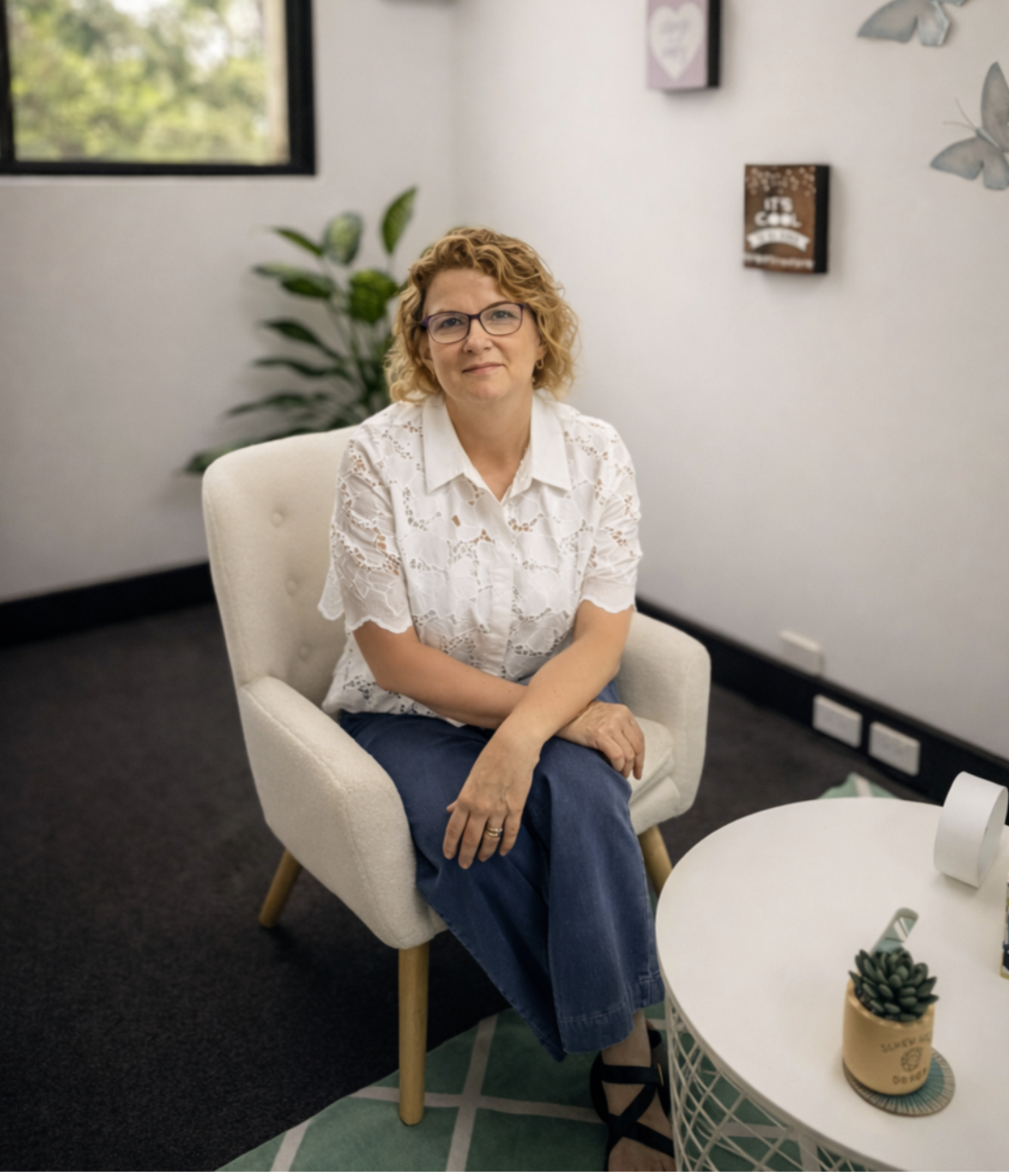
Qualifications:
Master of Psychotherapy and Counselling with Distinction
Certificate in Professional Coaching
B Com Hons - Organisational Psychology
B Com - HR Management
Anneke van Vuuren
I have spent much of my professional life sitting with people during complex and often vulnerable moments, in therapy rooms, in workplaces, in leadership roles, and now in private practice.
Before becoming a psychotherapist, I worked for many years supporting individuals and leaders through conflict, workplace stress, burnout, grief, organisational change, and personal crisis. I often sat with people when difficult decisions needed to be made, when relationships were strained, and when the pressure to keep performing felt overwhelming.
That experience gave me a deep understanding of workplace pressure, dynamics, balancing it with your personal life and the quiet strain of trying to hold everything together. It also shaped the emotional maturity, steadiness, and practical insight I bring into therapeutic work today.
Alongside this professional background, my own life has included significant transitions such as immigrating to Australia, changing careers, raising a family, and navigating the evolving challenges that come with different stages of adulthood. I do not bring these experiences into the room as answers, but they deepen the empathy and perspective I offer. I understand that life transitions are rarely simple and that strength and vulnerability often exist side by side.
At the heart of my practice is the belief that meaningful change happens within a safe, supported relationship. When you feel genuinely heard and understood, it becomes possible to explore what you are carrying with greater clarity and self-compassion. Over time, many people find they feel steadier, clearer, and more able to respond to life with confidence and self-understanding.
Professional Memberships:
Psychotherapy and Counselling Federation of Australia (PACFA) - 31560
Australian Counselling Association (ACA) - 86717
Languages: English, Afrikaans
-
My approach is warm, person-centred, and grounded in trauma-informed practice. My work is informed by Interpersonal Neurobiology, drawing on insights from neuroscience, attachment theory, and relational psychotherapy to support emotional regulation, self-awareness, and lasting change.
I integrate attachment-based work, narrative therapy, mindfulness, and Acceptance and Commitment Therapy (ACT). Together, we explore how past experiences may have shaped current patterns of coping and relating, and how protective strategies that were once necessary may now contribute to stress, disconnection, or emotional pain. Our work focuses on developing greater awareness, resilience, and a stronger sense of self.
I see therapy as a place where hope can quietly return. Through an attuned and trusting relationship, we create space for a new way of moving forward, one that is more grounded, meaningful, and aligned with who you are becoming.
-
My approach to therapy is relational, thoughtful, and tailored to the individual sitting in front of me. I believe meaningful therapeutic work begins with a safe, respectful relationship in which you feel heard, understood, and supported.
My foundation is in person-centred therapy. This means we work collaboratively, at your pace, focusing on what feels most important in your life. Rather than applying a fixed formula, we explore your experiences together and work toward deeper understanding and meaningful change.
Alongside this relational foundation, I draw on contemporary developments in trauma-informed psychotherapy and the growing understanding of the connection between mind, body, and relationships.
My work is informed by:
Attachment theory, which explores how early relationships influence emotional patterns, connection, and a sense of safety in relationships
Interpersonal Neurobiology (IPNB), which looks at how the brain, mind, and relationships shape our emotional and psychological wellbeing
Polyvagal Theory, which helps us understand how the nervous system responds to safety, stress, and threat
Somatic approaches to therapy, which recognise the role the body plays in emotional experience and healing
Trauma-informed psychotherapy, which emphasises safety, regulation, and compassionate understanding of past experiences
These perspectives help us understand how life experiences can shape emotional patterns, relationships, and responses to stress.
In our work together we may explore thoughts, emotions, relationship patterns, and bodily sensations, helping you reconnect with your own inner resources and capacity for resilience.
Therapy with me is not about judgement or quick solutions. It is about creating a space to slow down, make sense of your experiences, and move toward greater clarity, balance, and self-understanding.
-
Through my professional background and clinical training, I have developed particular experience supporting individuals navigating complex emotional and relational challenges. My work focuses on helping clients make sense of difficult experiences, strengthen emotional resilience, and build healthier relationships with themselves and others.
Areas I frequently work with include:
Anxiety, overwhelm, and emotional stress
Life transitions and identity shifts, including career change, relocation, relationship changes, and major life decisions
Relationship difficulties and interpersonal patterns
Grief, loss, and adjustment to significant life changes
Burnout, including sustained work pressure and parental burnout
Trauma and the lasting impact of difficult or overwhelming experiences
Chronic illness, your own or that of someone you care for
Self-understanding and personal growth, including reconnecting with a clearer sense of self
I also have experience supporting LGBTQ+ young adults and the parents of LGBTQ+ children, particularly where families are navigating identity, understanding, acceptance, and shifting family dynamics.
While these are areas I commonly work with, every person’s experience is unique. Therapy is always shaped around the individual and what feels most important for them to explore.
-
In our first sessions, you can expect a steady, supportive space to talk about what’s been happening and what you need right now. You don’t have to prepare anything or know exactly where to start — we find the path together. My role is to help you feel grounded, understood, and less alone as we make sense of what you’re carrying and explore the next steps that might bring relief, clarity, and a way forward.